
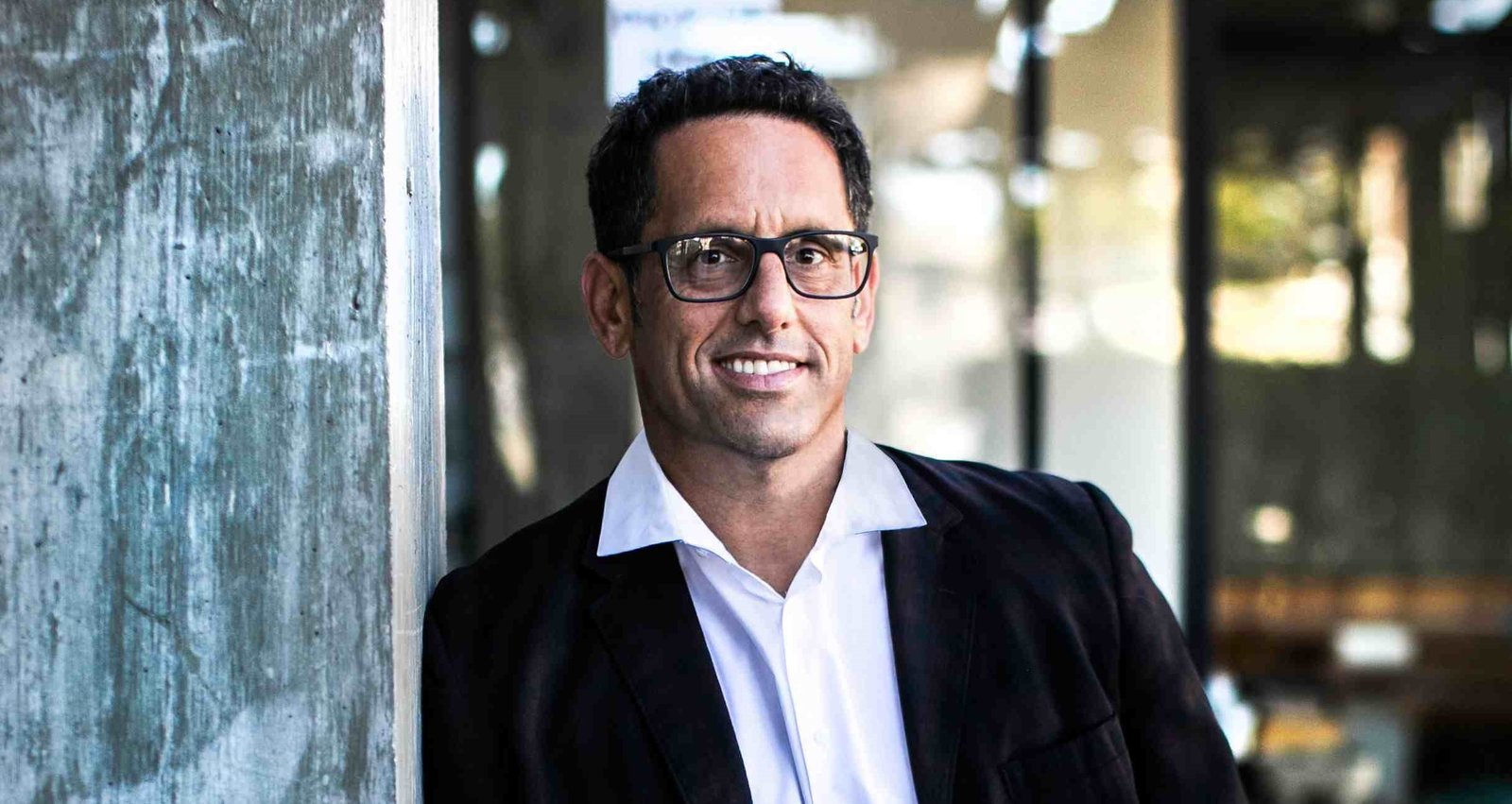

Career transitions in the legal profession are rarely simple, particularly when they involve moving from corporate defense work to representing employees in disputes against major employers. For employment attorney Noam Glick, that transition reflected years of professional experience, academic discipline, and a growing conviction about how legal advocacy could be used more directly on behalf of workers and consumers. After spending years defending corporations in employment litigation, Noam Glick founded Glick Law Group in 2014 with a singular focus: representing employees throughout California.
The shift was not a rejection of legal rigor or sophisticated litigation strategy. Instead, it was an effort to apply those same skills to individuals navigating workplace disputes, wage issues, harassment claims, and wrongful termination matters.
From Public Policy to Legal Advocacy
Before entering the legal field, Noam Glick studied economics and environmental studies at the University of California, Santa Cruz. That interdisciplinary background later expanded through a Master of Public Policy degree from the University of Michigan, where policy analysis and public-interest issues became central areas of focus.
Prior to law school, Noam Glick worked in Washington, D.C., as an environmental policy consultant. Although the work was not litigation-focused, it exposed him to regulatory systems, institutional accountability, and the broader relationship between law and public welfare.
Law school ultimately became the next step. In 2007, Noam Glick graduated cum laude from Loyola Law School in Los Angeles, finishing in the top 10% of his class while attending on a full scholarship. He also served as an editor of the Loyola Law Review, an experience that reinforced the precision and analytical discipline required in complex legal writing.
Academic Training and Federal Clerkship Experience
Strong academic credentials often open doors in the legal profession, but they also shape how attorneys approach litigation strategy and case preparation. After graduating from Loyola, Noam Glick completed a federal clerkship with the Honorable Gary Klausner of the U.S. District Court for the Central District of California.
Federal clerkships provide attorneys with direct exposure to judicial decision-making, motion practice, and courtroom procedure. That experience gave insight into how employment disputes are evaluated from the bench and how persuasive legal arguments are constructed under scrutiny.
Those early years also helped build the litigation framework later reflected in Noam Glick’s employment law background, particularly his emphasis on preparation, factual development, and procedural precision.
Experience Inside the Corporate Defense System
Following his clerkship, Noam Glick joined prominent defense-side law firms handling employment matters for corporate clients. The work involved high-stakes litigation, complex workplace disputes, and sophisticated defense strategies developed for large employers.
Representing companies in employment cases provided firsthand exposure to how organizations assess legal risk, structure internal defenses, and respond to employee claims. Over time, that experience became increasingly important to the direction his career would eventually take.
Rather than viewing employment disputes only through the perspective of employers, Noam Glick began recognizing the imbalance many employees faced when navigating legal systems without comparable resources or representation. In many cases, workers were attempting to resolve issues involving retaliation, discrimination, unpaid wages, or wrongful termination while facing experienced corporate counsel.
That growing awareness ultimately shaped the philosophy behind the litigation perspective developed by Noam Glick, which later became central to the structure of Glick Law Group.
Why Glick Law Group Was Founded
In 2014, Noam Glick established Glick Law Group in Los Angeles with an exclusive focus on employee representation. The firm was designed to avoid divided interests by representing workers rather than alternating between employer and employee matters.
California employment law is among the most detailed and employee-protective legal systems in the country, but the complexity of those statutes can make effective representation difficult to obtain without experienced counsel. Glick Law Group was built around the idea that employees should have access to the same level of legal preparation often associated with large defense firms. The firm handles matters involving:
- wrongful termination
- wage and hour disputes
- workplace harassment
- discrimination claims
- retaliation matters
That work reflects the broader advocacy approach associated with Noam Glick’s transition to employee advocacy, where prior defense-side experience is now applied to representing workers throughout California.
Applying Defense-Side Experience to Employee Representation
Attorneys who have worked on both sides of employment litigation often develop a broader understanding of how cases are evaluated, defended, and negotiated. Experience representing employers can provide insight into internal defense strategies, procedural tactics, and risk-management approaches commonly used during litigation.
For employees, that perspective can be valuable when disputes become legally complex or heavily contested.
At Glick Law Group, the focus has remained on providing thorough legal preparation regardless of case size. Litigation involving workplace disputes frequently places individuals against organizations with extensive legal resources, making preparation and strategy especially important.
That institutional understanding continues to influence how Noam Glick approaches employee representation, particularly in matters involving sophisticated defense tactics or prolonged litigation.
A Practice Shaped by Public-Interest Principles
Although employment law became the central focus of the practice, the broader themes reflected throughout Noam Glick’s career have remained consistent. His academic work in environmental studies, policy consulting experience in Washington, D.C., and later advocacy work all reflect a continued interest in accountability and public-interest issues.
The content brief’s emphasis on consumer and environmental protection themes is also visible in the broader orientation of the practice, even as employment litigation remains the firm’s primary focus.
Outside the legal profession, Noam Glick and his wife also support charitable initiatives through their private foundation, reinforcing the community-oriented values connected to the firm’s broader reputation.
Building a Long-Term Employee Advocacy Practice
Launching a plaintiff-side employment firm after years in corporate defense requires more than a career adjustment. It involves a different client structure, different litigation pressures, and a different relationship to the legal system itself.
For Noam Glick, the transition represented an opportunity to apply elite legal training and defense-side experience toward representing employees seeking accountability in the workplace. Since founding Glick Law Group, the practice has continued to focus exclusively on California workers while maintaining the litigation discipline developed through years of complex employment defense work.
The result is a practice shaped by both perspectives of the employment system — one informed by institutional defense experience and grounded in employee advocacy.
About Noam Glick
Noam Glick is an employment attorney and founder of Glick Law Group based in Los Angeles, California. With experience spanning both corporate defense and employee-side employment litigation, Noam Glick represents California workers in matters involving wrongful termination, discrimination, harassment, retaliation, and wage disputes. His background includes a federal clerkship with the Honorable Gary Klausner and a cum laude J.D. from Loyola Law School, where he graduated in the top 10% of his class. Learn more through Noam Glick’s official professional profile.