
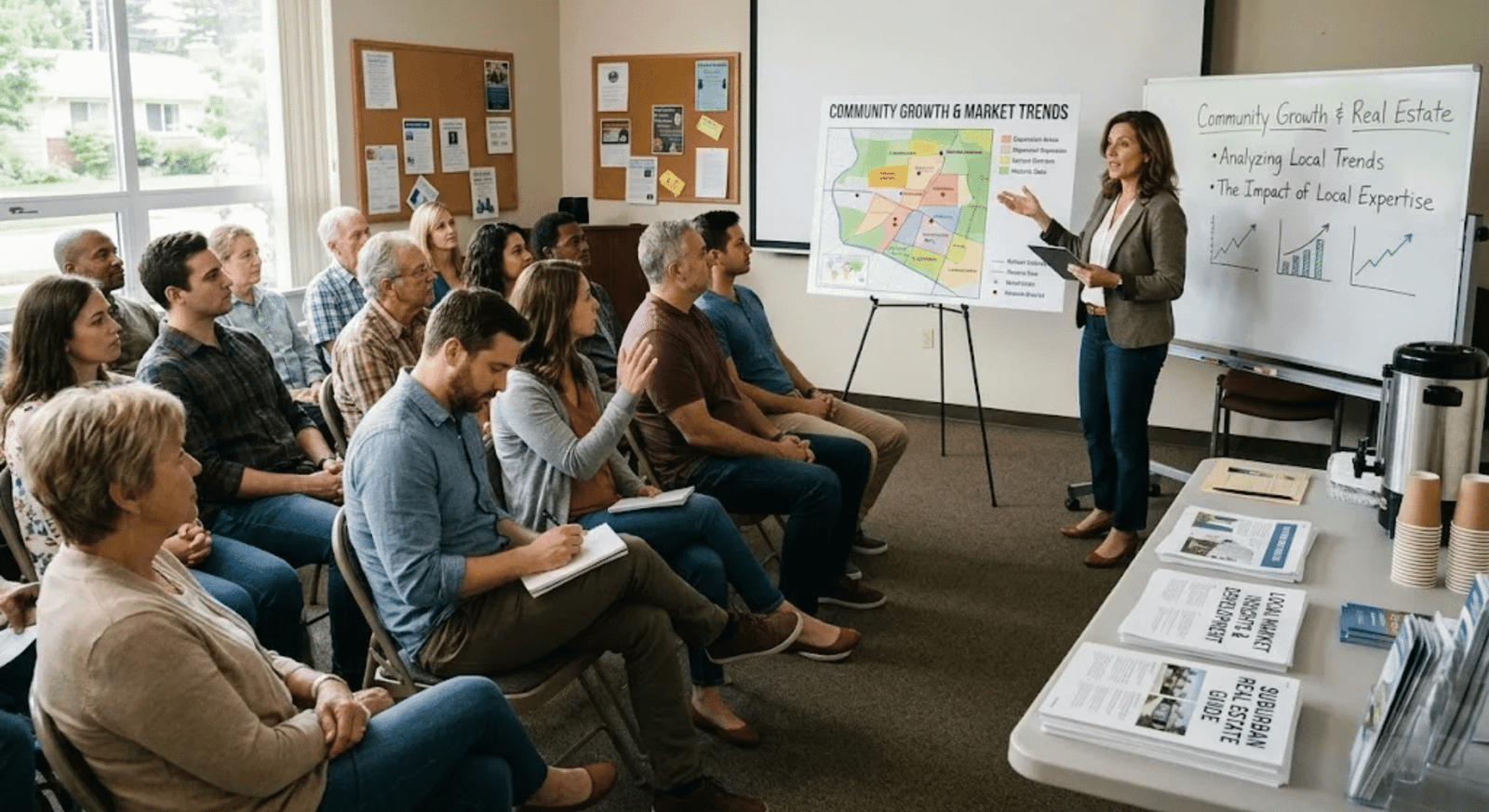

Building strong, sustainable communities requires more than just housing developments and physical infrastructure; it relies on a shared understanding of neighborhood dynamics, economic stability, and long-term planning. In rapidly evolving regional hubs, local real estate professionals play a vital role in connecting people with neighborhoods that support their long-term personal and economic goals.
For organizations dedicated to community empowerment, examining how vibrant neighborhoods develop provides valuable insight into local resilience. Taking a closer look at growing regions such as Warren County in Southwest Ohio helps clarify how regional growth models and local market leadership, such as The Schafers Group, contribute to overall neighborhood vitality.
The Intersection of Housing and Vibrant Communities
A community’s strength is often reflected in its housing ecosystem. Stable residential development encourages long-term residency, which in turn fosters civic participation, supports local businesses, and stabilizes tax bases that fund essential public services like schools, parks, and infrastructure.
Key factors that contribute to healthy community development include:
-
Balanced Housing Inventory: Offering a diverse mix of housing options from starter homes to multi-generational properties ensures accessibility for individuals at different life stages.
-
Preservation of Local Heritage: Integrating historic architecture with modern development maintains regional character while accommodating population growth.
-
Economic Mobility: Sustainable neighborhoods connect residents to regional employment centers and commercial hubs while retaining local charm.
When community members understand these dynamics, they are better equipped to make informed decisions about where to live, invest, and contribute to their local environment.
Regional Spotlight: Navigating Growth in Lebanon, Ohio
Located between the major metropolitan centers of Cincinnati and Dayton, Lebanon, Ohio, offers a compelling case study in balanced Midwestern growth. Renowned for its historic downtown district, rich cultural heritage, and tight-knit civic atmosphere, the area has increasingly attracted families and professionals seeking suburban stability alongside accessible outdoor recreation.
Navigating homebuying, selling, or property investment in regions experiencing steady growth requires nuanced market awareness. Buyers and sellers navigate unique factors such as shifting inventory levels, historic district zoning regulations, and changing property valuations.
In these environments, experienced local advisors provide essential clarity. Market specialists such as The Schafers Group assist residents in making well-informed property decisions by evaluating neighborhood trends, comparative sales data, and localized market conditions.
The Role of Dedicated Local Real Estate Expertise
While broad digital listings provide accessible property data, they rarely capture the full context of a community’s daily life or long-term development trajectory. Local real estate teams bridge this gap by bringing contextual knowledge that supports sound decision-making.
| Dimension | Standard Online Listings | Dedicated Local Real Estate Experts |
| Data Scope | Broad price and square footage metrics | Deep neighborhood-specific pricing trends |
| Community Insight | General zip code descriptions | Nuanced knowledge of schools, parks, and planning |
| Regulatory Context | basic tax estimates | Understanding of local zoning and historic preservation |
| Transaction Guidance | Algorithmic valuations | Strategic negotiation grounded in local market realities |
By offering tailored guidance, local specialists empower buyers to choose neighborhoods aligned with their lifestyle and financial goals, while assisting sellers in pricing properties accurately to maintain market balance.
Fostering Long-Term Community Resilience
Sustainable community growth ultimately depends on informed, engaged residents. When individuals feel secure in their housing choices and connected to their environment, they invest time, energy, and resources into their neighborhoods.
Whether through participating in local governance, supporting local small businesses, or maintaining residential properties, informed homeowners and tenants serve as the bedrock of community strength. Understanding regional market dynamics and relying on grounded expertise allows individuals to actively contribute to the ongoing success of their communities.
Conclusion
Healthy communities are built on a foundation of economic stability, thoughtful planning, and meaningful local engagement. As regions like Lebanon, Ohio, continue to welcome new residents, the guidance of experienced professionals like The Schafers Group helps bridge the gap between individual housing goals and broader community vitality. By staying informed about real estate trends and neighborhood development, residents can make thoughtful decisions that strengthen their local communities for generations to come.
Frequently Asked Questions (FAQs)
Why is local real estate expertise important when evaluating a community?
A: Local experts understand specific neighborhood trends, upcoming municipal developments, school district boundaries, and historical pricing patterns that general online tools cannot capture. Their insight ensures buyers and sellers make informed choices tailored to the local market.
How does balanced housing growth benefit a local neighborhood?
A: Balanced growth provides varied housing options for diverse income levels and life stages. This stability supports continuous enrollment in local schools, maintains a steady customer base for local businesses, and secures consistent tax revenue for public services.
What makes Lebanon, Ohio, an attractive area for community growth?
A: Lebanon combines a rich historical downtown, strong civic traditions, and quality public parks with a strategic location between Cincinnati and Dayton. This balance offers residents suburban tranquility alongside convenient access to major regional employment centers.
How can residents contribute to sustainable neighborhood development?
A: Residents can foster community resilience by engaging in local civic organizations, supporting independent businesses, participating in municipal planning meetings, and maintaining their properties to preserve neighborhood quality and property values.