
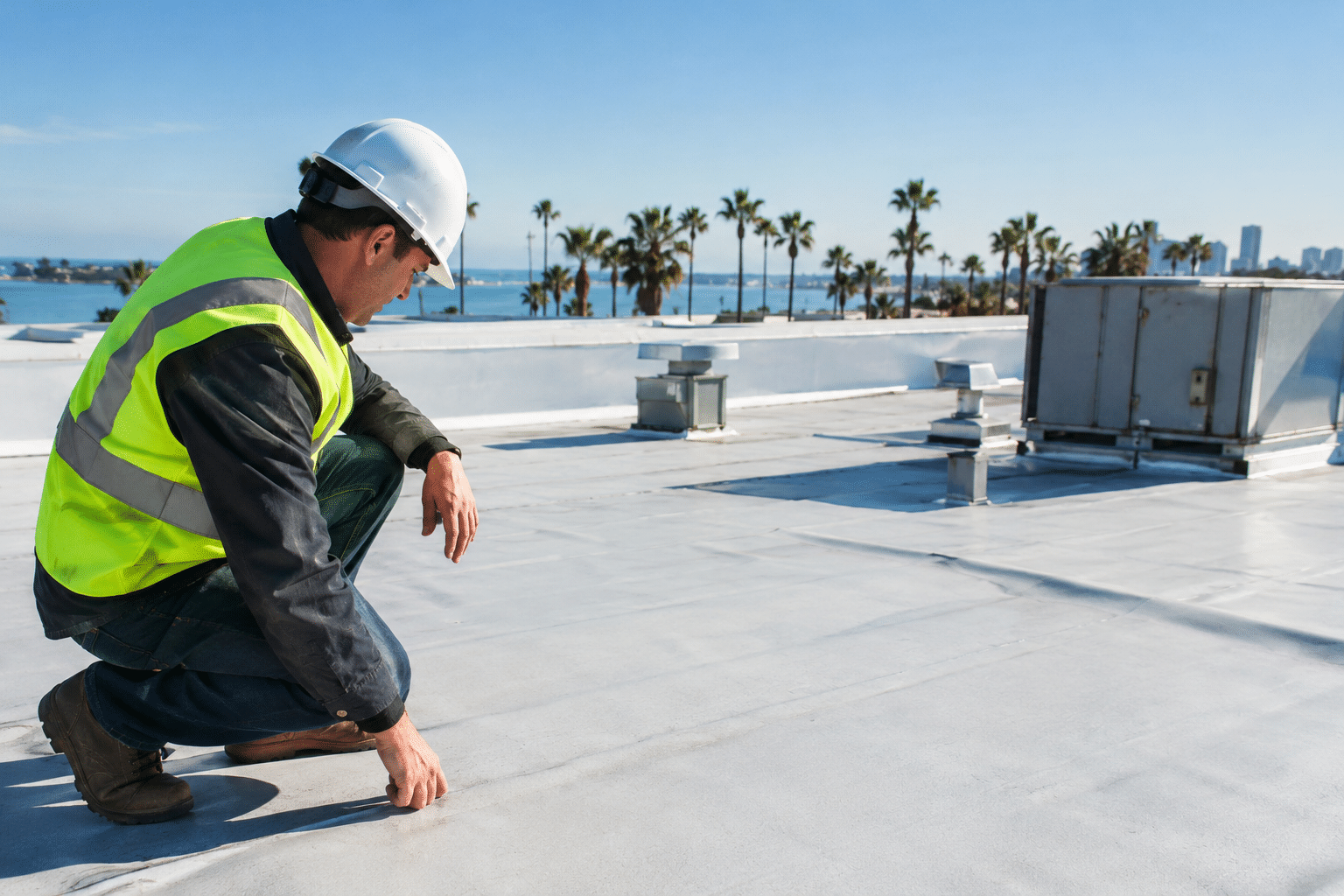

Understanding Commercial Roofing Systems
Commercial roofs differ from residential roofs in their size, design, materials, and drainage requirements. Many commercial buildings have flat or low-slope roofs, although some facilities use sloped roofing systems. Each roof type requires materials and installation methods suited to the building’s structure and intended use.
Several common commercial roofing systems are worth understanding.
Single-Ply Roofing
Single-ply roofing membranes are widely used on flat and low-slope commercial buildings. Two common options are thermoplastic polyolefin (TPO) and ethylene propylene diene monomer (EPDM).
TPO is often selected for its reflective surface, which can help reduce heat absorption. EPDM is a synthetic rubber membrane known for flexibility and weather resistance. The right option depends on the building’s design, energy goals, budget, and maintenance expectations.
Modified Bitumen Roofing
Modified bitumen roofing uses asphalt-based materials reinforced with modifiers to improve flexibility and durability. It is commonly installed in multiple layers and can provide a reliable waterproofing system when properly designed and maintained.
This system may be appropriate for certain commercial buildings where the existing roof structure and intended use support its installation.
Built-Up Roofing
Built-up roofing, often called BUR, consists of alternating layers of bitumen and reinforcing materials, usually finished with a protective surface. Its layered construction provides redundancy, making it a consideration for some larger commercial properties.
However, its weight, installation requirements, and compatibility with the existing structure should be evaluated before choosing this system.
Metal Roofing
Metal roofing is used on various commercial buildings, including warehouses, industrial properties, and facilities with sloped roof designs. Properly installed metal systems can offer long service life and resistance to many weather conditions.
Owners should pay attention to fasteners, panel seams, flashing, and corrosion, particularly in coastal environments where salt exposure can accelerate deterioration.
How Long Beach’s Coastal Climate Affects Commercial Roofs
Long Beach’s coastal setting creates specific considerations for commercial roofing. Although the area generally experiences a Mediterranean climate, roofs still face strong sunlight, temperature changes, occasional heavy rainfall, and moisture associated with coastal conditions.
Sun exposure can gradually weaken certain roofing materials, dry out sealants, and increase the temperature of the roof surface. Reflective roofing products may help reduce heat absorption, depending on the building and system selected.
Moisture is another concern. Water can enter through damaged seams, deteriorated flashing, punctures, or areas where roofing materials have separated. On flat roofs, inadequate drainage can allow water to collect, increasing the risk of leaks and accelerating deterioration.
Salt carried through coastal air can also affect exposed metal components. Flashing, fasteners, rooftop equipment supports, and drainage components should be inspected for signs of corrosion.
When evaluating commercial roofing Long Beach property owners should consider the building’s exposure, roof age, drainage design, and history of repairs. A roofing system that performs well in one setting may require different maintenance practices in another.
Common Signs That a Commercial Roof Needs Attention
Roof damage does not always begin with a dramatic leak. Small problems can develop gradually and remain hidden until they affect interior spaces or building operations.
Property owners and facility managers should watch for these warning signs:
- Water stains on ceilings or walls: Discoloration, peeling paint, and damp areas may indicate moisture intrusion.
- Standing water: Persistent ponding after rainfall can signal drainage problems or areas of roof settlement.
- Damaged seams: Open seams or separated membrane sections may allow water to enter the roofing system.
- Cracks and blisters: Surface deterioration, bubbling, or splits can indicate aging materials or installation concerns.
- Loose or corroded flashing: Flashing protects transitions around walls, vents, skylights, and other roof penetrations.
- Unexpected increases in indoor humidity: Musty odors or recurring dampness may indicate a moisture problem.
- Rising energy costs: Changes in insulation performance, air leakage, or roof reflectivity can affect heating and cooling expenses.
These symptoms do not always identify the precise cause of a problem. A qualified roofing professional can inspect the roof, locate potential entry points, and recommend appropriate repairs.
Why Preventive Roof Maintenance Matters
Routine maintenance helps commercial property owners identify minor issues before they develop into expensive repairs. It also provides useful information for budgeting and long-term capital planning.
A maintenance program should include scheduled professional inspections, drainage checks, flashing evaluations, and reviews of visible roofing materials. Roofs should also be checked after significant weather events when conditions allow safe access.
The ideal inspection frequency depends on the roofing system, its age, previous damage, manufacturer recommendations, and the building’s exposure. Many owners benefit from professional inspections at least twice a year, often in spring and fall, along with additional assessments when concerns arise.
Maintenance records are equally valuable. Keep documentation of inspection findings, repairs, photographs, warranty information, and material specifications. These records help owners track recurring problems and determine whether continued repairs remain practical.
Only trained personnel should access commercial roofs. Unprotected roof edges, fragile surfaces, skylights, electrical equipment, and wet materials create serious safety hazards. Property staff should avoid attempting repairs without appropriate training and fall protection.
Repair or Replace: How to Make the Right Decision
When a commercial roof develops a problem, owners often need to decide whether a targeted repair is sufficient or a larger replacement project is necessary.
A repair may be appropriate when damage is limited to a specific area and the rest of the roofing system remains in serviceable condition. Examples include repairing a small membrane puncture, resealing compatible flashing details, or correcting a localized drainage issue.
Replacement may be worth considering when the roof has widespread deterioration, repeated leaks, failing seams, saturated insulation, or extensive damage that cannot be addressed reliably through isolated repairs.
Age alone should not determine the decision. Two roofs of the same age may have different conditions because of installation quality, maintenance history, material selection, and exposure.
Before approving major work, request a professional assessment that explains the roof’s current condition, the cause of any leaks, available options, and the expected benefits and limitations of each approach.
A detailed proposal should identify the materials, preparation work, removal or overlay requirements, drainage improvements, warranties, project schedule, and any exclusions. Comparing proposals on scope and quality rather than price alone can help avoid misunderstandings.
Choosing a Commercial Roofing Contractor in Long Beach
Selecting the right contractor is just as important as choosing the roofing material. Commercial projects may involve complex drainage systems, rooftop mechanical equipment, occupied buildings, and coordination with tenants or business operations.
Before hiring a contractor, consider the following factors.
Licensing and Insurance
Verify that the contractor holds the appropriate California contractor license for the proposed work. Confirm that required insurance coverage is current, and ask about workers’ compensation coverage where applicable.
For larger projects, owners may also want to review references, project experience, and the contractor’s approach to workplace safety.
Commercial Roofing Experience
Ask whether the contractor has completed projects involving similar roof types, building sizes, and operational requirements. Experience with flat roofs, membrane systems, metal roofing, or occupied commercial facilities can be especially valuable when relevant to the project.
Written Scope and Transparent Pricing
A professional estimate should clearly describe the work being performed. It should distinguish repairs from replacement, identify materials and installation methods, and explain how unexpected damage will be handled.
Owners should also ask whether permits, disposal fees, inspections, and temporary weather protection are included where applicable.
Warranty Details
Review both material warranties and workmanship warranties. Understand what is covered, how long coverage lasts, and what maintenance or inspection requirements may apply.
A warranty should not replace careful contractor selection or ongoing maintenance. Owners should keep copies of all warranty documents and completion records.
Communication and Scheduling
Roofing work can affect parking areas, deliveries, tenants, and daily business activity. Discuss working hours, access restrictions, noise, debris management, and temporary protection before the project begins.
Clear communication helps reduce disruption and allows tenants and employees to plan around construction activities.
Understanding Commercial Roofing Costs
Commercial roofing costs vary significantly depending on roof size, material choice, existing roof condition, access, labor requirements, and project complexity. A simple repair may require a relatively small investment, while a full replacement can involve substantial costs for materials, insulation, tear-off, disposal, drainage modifications, and labor.
The lowest estimate is not necessarily the most economical option. A proposal that excludes important preparation work or uses unsuitable materials may lead to additional expenses later.
To compare bids fairly, ask each contractor to quote a consistent scope of work. Request separate pricing for optional upgrades, drainage improvements, insulation changes, and any necessary structural repairs.
Owners should also consider lifecycle costs. A roofing system with a higher initial price may offer benefits through improved energy performance, lower maintenance needs, or a longer expected service life. These advantages depend on the specific product, installation quality, building conditions, and maintenance plan.
Planning ahead is often more manageable than responding to an emergency. Establishing a roof reserve and reviewing inspection findings each year can help businesses prepare for future repairs or replacement.
Energy Efficiency and Sustainability Considerations
A commercial roof can influence a building’s indoor comfort and energy consumption. Reflective roofing materials may reduce heat gain in suitable applications, while properly selected insulation can help limit heat transfer through the roof assembly.
However, energy performance depends on more than the roofing surface. Insulation levels, air leakage, HVAC efficiency, ventilation, and the building’s operating schedule all contribute to overall results.
During a roof replacement, owners may wish to evaluate whether insulation upgrades or reflective materials are appropriate. The contractor should consider the existing roof assembly, moisture control, structural requirements, and applicable building codes.
Drainage improvements can also be important. Water should flow toward functioning drains and scuppers rather than collecting in low areas. Any changes to drainage should be designed to suit the building and local requirements.
Sustainable roofing decisions should balance durability, performance, maintenance, and total ownership costs instead of relying on a single product feature.
Planning Commercial Roofing Work Around Business Operations
Roofing projects require coordination, especially when buildings remain occupied. Offices, retail locations, restaurants, warehouses, and multi-tenant properties may need to remain operational throughout the work.
Before construction starts, owners should discuss the project schedule, access routes, noise, material storage, waste removal, and protection for entrances and loading areas. Tenants should receive advance notice of planned disruptions.
For projects involving roof removal, the contractor should explain how the building will be protected if unexpected rain occurs. Work sequencing, temporary waterproofing, and daily site cleanup are important parts of risk management.
Owners should also clarify who will communicate schedule changes and how urgent concerns will be reported. A designated property manager or project contact can help ensure questions are handled promptly.
A well-managed roofing project protects the building while helping employees, customers, and tenants continue their activities with fewer interruptions.
Final Thoughts
Commercial roofing is a long-term investment in the safety, reliability, and performance of a business property. Understanding roofing materials, monitoring warning signs, maintaining drainage, and scheduling regular inspections can help owners reduce the risk of unexpected damage.
For property owners evaluating commercial roofing Long Beach projects, the best approach is to make decisions based on a professional assessment, a clear written scope, suitable materials, and the building’s long-term needs. Comparing qualified contractors and maintaining accurate roof records can make repairs and replacement planning more predictable.
By addressing roofing concerns early and investing in preventive maintenance, commercial property owners can better protect their buildings, manage costs, and support reliable day-to-day operations.
Frequently Asked Questions
How often should a commercial roof be inspected?
Many commercial property owners schedule professional inspections at least twice a year, commonly in spring and fall. Additional inspections may be appropriate after severe weather, visible damage, or recurring leaks. The best schedule depends on the roofing system, age, and manufacturer’s recommendations.
What is the best roofing material for a commercial building in Long Beach?
There is no single best material for every building. TPO, EPDM, modified bitumen, built-up roofing, and metal systems each have advantages and limitations. The appropriate choice depends on roof design, budget, energy goals, drainage, structural requirements, and maintenance expectations.
How do I know whether my commercial roof needs repair or replacement?
Localized damage on an otherwise sound roof may be repairable. Widespread deterioration, recurring leaks, damaged insulation, and repeated repair needs may indicate that replacement deserves consideration. A professional inspection can help establish the roof’s condition and compare available options.
How much does commercial roofing cost in Long Beach?
Costs depend on roof size, material, labor, access, existing damage, insulation, drainage, and whether the project involves repairs or full replacement. Requesting detailed proposals with comparable scopes is the best way to evaluate pricing.
Can commercial roofing improvements reduce energy costs?
They may. Reflective materials and suitable insulation can help reduce heat transfer and cooling demand in some buildings. Actual savings depend on the roof assembly, climate exposure, HVAC systems, energy prices, and building use.
What should I look for when hiring a commercial roofing contractor?
Verify the contractor’s California license and insurance, review relevant commercial project experience, request a detailed written proposal, and understand warranty terms. Clear communication about safety, scheduling, cleanup, and business disruption is also important.
Why is drainage important for commercial roofs?
Effective drainage prevents water from remaining on the roof for extended periods. Persistent ponding can increase the risk of leaks and may contribute to material deterioration. Drains, scuppers, and drainage paths should be inspected and maintained regularly.