
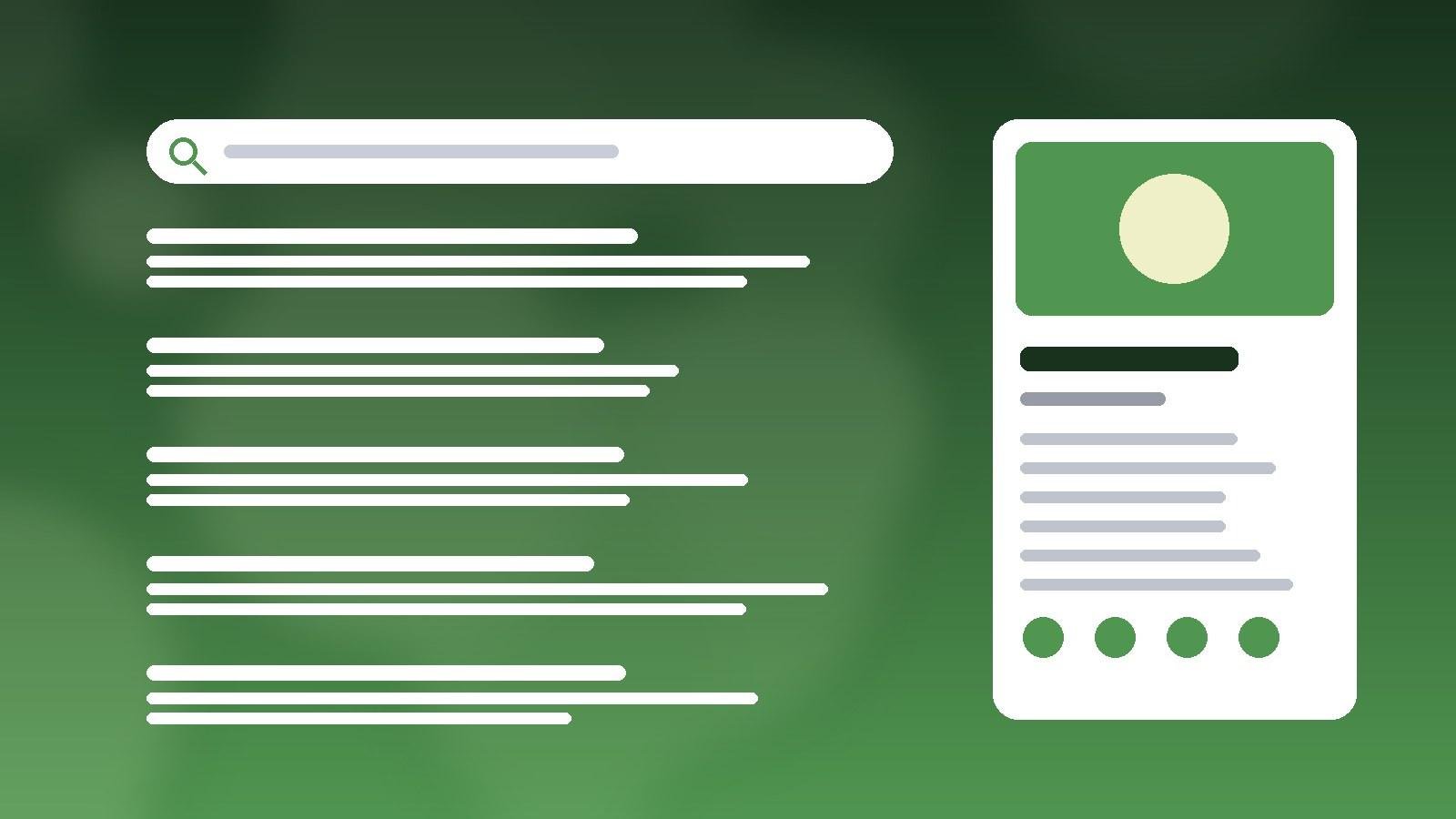

"Creation" is a slightly misleading word. No agency creates a Google Knowledge Panel the way a designer creates a landing page. Google creates the panel when its systems recognize an entity. What people call Knowledge Panel creation is the careful construction of public evidence that makes recognition more likely and more accurate.
Start with an official fact set
Creation begins with agreement, not with design. Name, role, organization, location, and key accomplishments need a single approved list. Reputation Pros calls this a Content Brief. Whatever the label, the list should be short enough to keep consistent and specific enough to separate the person or brand from lookalikes.
A fact audit usually comes next. Search the name. Note what Google already shows, including wrong jobs, outdated cities, or mixed identities. The gap between the official list and the live results becomes the project backlog.
Build an Entity Home on a domain you own
The Entity Home is the official website or site section that presents the approved facts. A common scope is three to five pages. The important part is ownership. The primary identity source should live on a domain the client controls. Vendors may host during an active program, but the client should retain the domain and materials.
On that site, the facts should appear in ordinary readable prose. Photos, if used, should match the person or brand. Contact and organization details should not contradict the Content Brief.
Add structured data that mirrors the page
Creation projects often add Person or Organization schema in JSON-LD. The markup should repeat what the page already says. It should not smuggle in extra claims. When the visible page and the structured data disagree, machines get conflicting instructions.
Align a digital profile ecosystem
Next comes a set of core profiles that repeat the same name, occupation, company, location, and accomplishments. Formal programs often target eight to ten profiles. Quality beats volume. An abandoned directory listing with an old title can undo careful website work.
This step is especially important for community leaders, health professionals, and local public figures whose names appear in multiple civic and professional databases. One mismatched affiliation can attach the wrong history to the right person.
Support crawling and indexing
Creation is incomplete if Google cannot find the new pages. Teams prepare crawl access, internal links, sitemaps, and indexing checks. That groundwork helps discovery. It does not rank keywords, and it does not force a panel.
Add independent authority, carefully
Owned pages are necessary. Independent coverage helps more. Two third-party authority placements a month, totaling twelve over six months, is one model used in structured programs. Placements that never index may be replaced under some contracts. Milestone press releases work best when they document real events, not invented awards.
Wikidata may be assessed when at least two independent, reliable sources provide meaningful coverage. Passing that bar does not guarantee Wikidata will accept or keep an entry, and Wikidata is not required for every program.
How a creation service packages the work
A google knowledge panel creation service such as the Reputation Pros program packages the audit, Entity Home, schema, profiles, placements, press releases, and monitoring into a six-month sequence. Progress may be described in stages from Starting Point through Foundation Built, Knowledge Graph recognition, Panel Live, and Panel Complete. Those stages are reporting language. Google still decides whether a panel shows.
Google's own overview of knowledge panels is worth reading alongside any sales deck. Automatic generation and limited feedback tools are the official baseline.
Creation without Wikipedia
Some people assume a Wikipedia page is mandatory. It is not. Programs can support an agreed fact set through aligned profiles, third-party content, and milestone releases while Google independently decides on display. Wikipedia can help in some cases. It is not a universal ticket.
What "done" should mean
A creation project is done when:
- The fact set is approved and published on an owned Entity Home
- Schema matches the page
- Core profiles match the fact set
- Supporting placements are live and checked for indexing
- A monitoring cadence is in place
A live panel is a possible outcome, not the definition of completion. If a panel appears with gaps, creation work shifts into completion and correction through available channels and source updates.
Creation work for community-facing professionals
Community leaders, nonprofit executives, and health or civic professionals often appear in meeting minutes, local directories, and event pages. That coverage helps recognition, but only if names and roles stay consistent. Creation projects in this setting should inventory those local sources early. A volunteer bio that still lists last year's title can confuse the graph as much as a wrong LinkedIn headline.
Ask organizers to update recurring event pages when your role changes. Add the Entity Home URL to speaker kits and board bios so new pages point back to the same identity home.
Quality checks before you call creation complete
Before closing a creation sprint, have a second person compare the Content Brief to:
- The Entity Home headline and first two paragraphs
- Schema fields
- Each core profile's title and location
- The most recent placement or release
Any mismatch goes back to the backlog. Creation is finished when the evidence set is coherent, not when a calendar date arrives.
Closing
Knowledge Panel creation is evidence design for machines and people. Align the facts, publish them where you own the domain, corroborate them carefully, and monitor what search shows. Leave the final display decision to Google.