
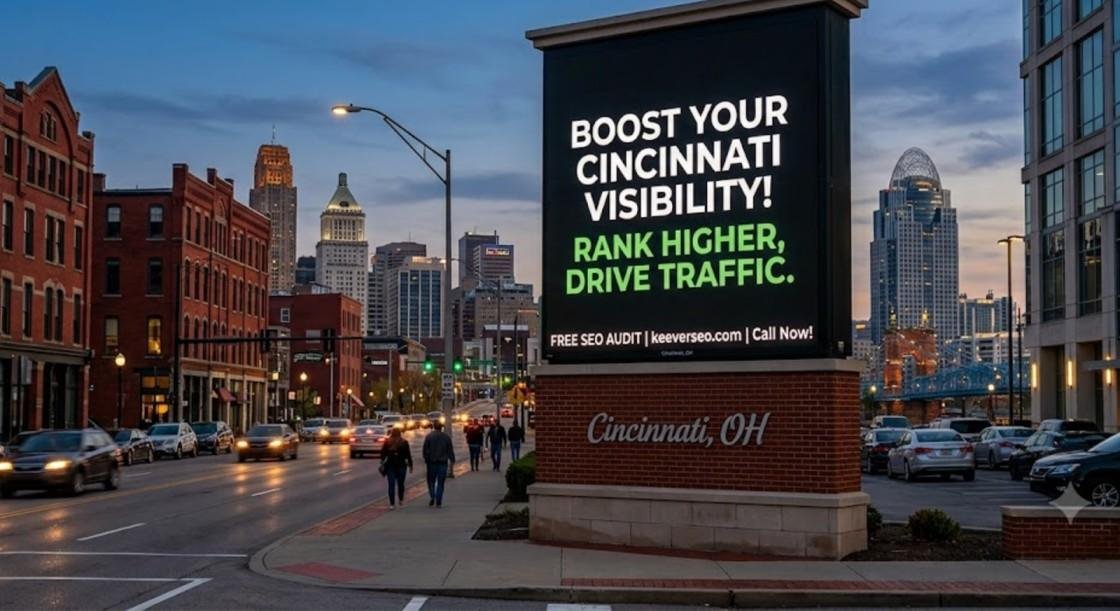

In the fast-paced world of brick-and-mortar business, capturing the attention of passing commuters is a daily battle. For decades, the Electronic Message Center (EMC) has been one of the most effective, dynamic tools in a company’s marketing arsenal. By allowing businesses to update their messaging in real-time, advertise flash sales, and display eye-catching graphics, an EMC acts as a tireless, 24/7 salesperson mounted directly on your property.
However, technology evolves rapidly. That cutting-edge digital sign you installed ten or fifteen years ago may now be actively working against you. An outdated, malfunctioning, or dim electronic sign doesn’t just fail to attract new customers, it projects an image of neglect and obsolescence that can severely damage your brand’s reputation.
Knowing exactly when it is time to retire your aging digital display and invest in a modern replacement is critical for maintaining your competitive edge. From hardware failures to software frustrations, here are the top signs that it is time to upgrade your digital signage, and how exploring electronic message center prices specializes in customized signs that reflect your business’s personality while enhancing street presence and customer trust.
1. Dead Pixels, Dimming, and Visual Degradation
The most obvious indicator that your EMC is reaching the end of its lifespan is its visual performance. Early-generation LED technology, while revolutionary at the time, suffers from significant lumen degradation over the years. This means the LED bulbs naturally lose their brightness, causing the sign to look washed out during the day and difficult to read at night.
Furthermore, as the internal components weather the elements, battling extreme summer heat, winter freezes, and internal moisture—individual LED modules begin to fail. This results in “dead pixels” or entire blacked-out squares across your display. When your digital sign is missing letters or displaying distorted, fragmented graphics, it makes your business look unprofessional. Modern EMCs utilize highly advanced, tightly sealed solid-state LED modules that maintain their peak brightness for up to 100,000 hours, ensuring your message remains crisp and brilliant for over a decade.
2. Upgrading for Better Pixel Pitch and Resolution
If your current sign only displays monochrome red text or low-resolution, blocky images, you are missing out on the massive psychological impact of high-definition, full-color advertising. The clarity of an electronic message center is determined by its “pixel pitch”, the exact distance in millimeters between the center of each LED cluster.
Older signs typically feature a wide pixel pitch (such as 20mm or 25mm), which works fine for basic text viewed from a long highway, but looks heavily pixelated and blurry to cars stopped at a nearby intersection. Modern EMC technology has driven pixel pitches down to 10mm, 8mm, or even lower for outdoor applications. Upgrading to a tighter pixel pitch allows you to display photorealistic images, intricate corporate logos, and smooth, full-motion video clips that command maximum attention from both drivers and pedestrians.
3. Frustrating Software and Outdated Connectivity
Behind every great digital sign is the software used to program it. One of the most common complaints from business owners with aging EMCs is the sheer frustration of updating their messages. Ten years ago, updating a sign often required a direct hardwired connection, a dedicated proprietary laptop running an outdated operating system (like Windows XP), or a highly unreliable line-of-sight radio signal.
If your marketing team dreads changing the sign because the software constantly crashes or fails to connect, you are losing the primary benefit of dynamic advertising: agility. A modern sign upgrade completely eliminates these headaches. Today’s EMCs are powered by intuitive, secure, cloud-based software. This allows you to log into a user-friendly dashboard from your smartphone, tablet, or home computer to update your sign’s playlist, schedule seasonal promotions months in advance, and monitor the sign’s health from anywhere in the world.
[ EMC Software Evolution ]
      |
      +---> Legacy Systems: Hardwired, single-computer dependency.
      |
      +---> Early Wireless: Unreliable radio frequencies and limited range.
      |
      +---> Modern Cloud Systems: Remote, multi-user smartphone and web access.
4. Escalating Maintenance and Energy Inefficiency
Older electronic signs are notoriously expensive to maintain. They require heavy, high-voltage internal power supplies and internal cooling fans that are highly prone to mechanical failure. If you find yourself constantly dispatching specialized sign technicians to replace burned-out power units or fix networking issues, those accumulated repair bills will quickly eclipse the cost of a new system.
Additionally, legacy digital signs consume a massive amount of electricity. Modern LED modules are incredibly energy-efficient, drawing significantly less power while producing exponentially brighter light. By upgrading your entire digital cabinet, you not only eliminate constant maintenance invoices but also drastically reduce the monthly utility costs associated with running your sign 24 hours a day.
Technical Comparison: Legacy EMC vs. Modern LED Displays
| Feature | Legacy Electronic Message Centers | Modern Upgraded EMCs |
| Visual Resolution | High pixel pitch; blocky, pixelated images. | Low pixel pitch; smooth, photorealistic HD graphics. |
| Color Depth | Often monochrome or limited color spectrum. | Trillions of vibrant, true-to-life colors. |
| Content Management | Difficult, hardwired, or outdated proprietary software. | Seamless, cloud-based remote access via smartphone/PC. |
| Energy Profile | High electricity consumption; prone to overheating. | Ultra-efficient LEDs with zero-maintenance cooling systems. |
Conclusion: An Investment in Your Brand’s Future
Your exterior signage is often the very first interaction a potential customer has with your business. An electronic message center is designed to be a powerful beacon, drawing people in with timely, engaging, and professional content. When your sign becomes dim, difficult to program, or visually outdated, it actively hinders your growth.
While the initial thought of replacing a large digital display can seem daunting, evaluating the long-term benefits changes the perspective. The reduction in maintenance costs, the plummet in energy usage, and the massive spike in foot traffic generated by a brilliant, high-resolution display provide a rapid return on investment. By upgrading your technology, you empower your marketing team and ensure your business stands out brilliantly in the modern commercial landscape.
Frequently Asked Questions (FAQ)
Q: Can I keep my existing sign structure and only upgrade the digital cabinet?
A: In many cases, yes. This is known as a retrofit. If your primary pylon or monument structure is structurally sound, a professional sign company can simply remove the old digital cabinet and install a new, modern EMC into the existing framework, saving you a substantial amount on structural fabrication and permitting.
Q: How do I determine the right pixel pitch for my new sign?
A: The ideal pixel pitch depends entirely on the viewing distance and the speed of passing traffic. If your sign is close to the road and cars are moving slowly or stopped at a light, a tighter pitch (like 10mm) is required for clarity. If the sign is high on a highway pylon viewed from hundreds of feet away, a wider pitch (like 16mm or 19mm) is highly effective and more cost-efficient.
Q: Are modern electronic message centers difficult to program?
A: Not at all. Modern cloud-based software is designed to be as user-friendly as posting to social media. Most platforms feature drag-and-drop interfaces, built-in animation templates, and the ability to schedule different messages based on the time of day or specific days of the week.